
Streetwear
How Acne Studios Grew From Jeans to a Global Brand

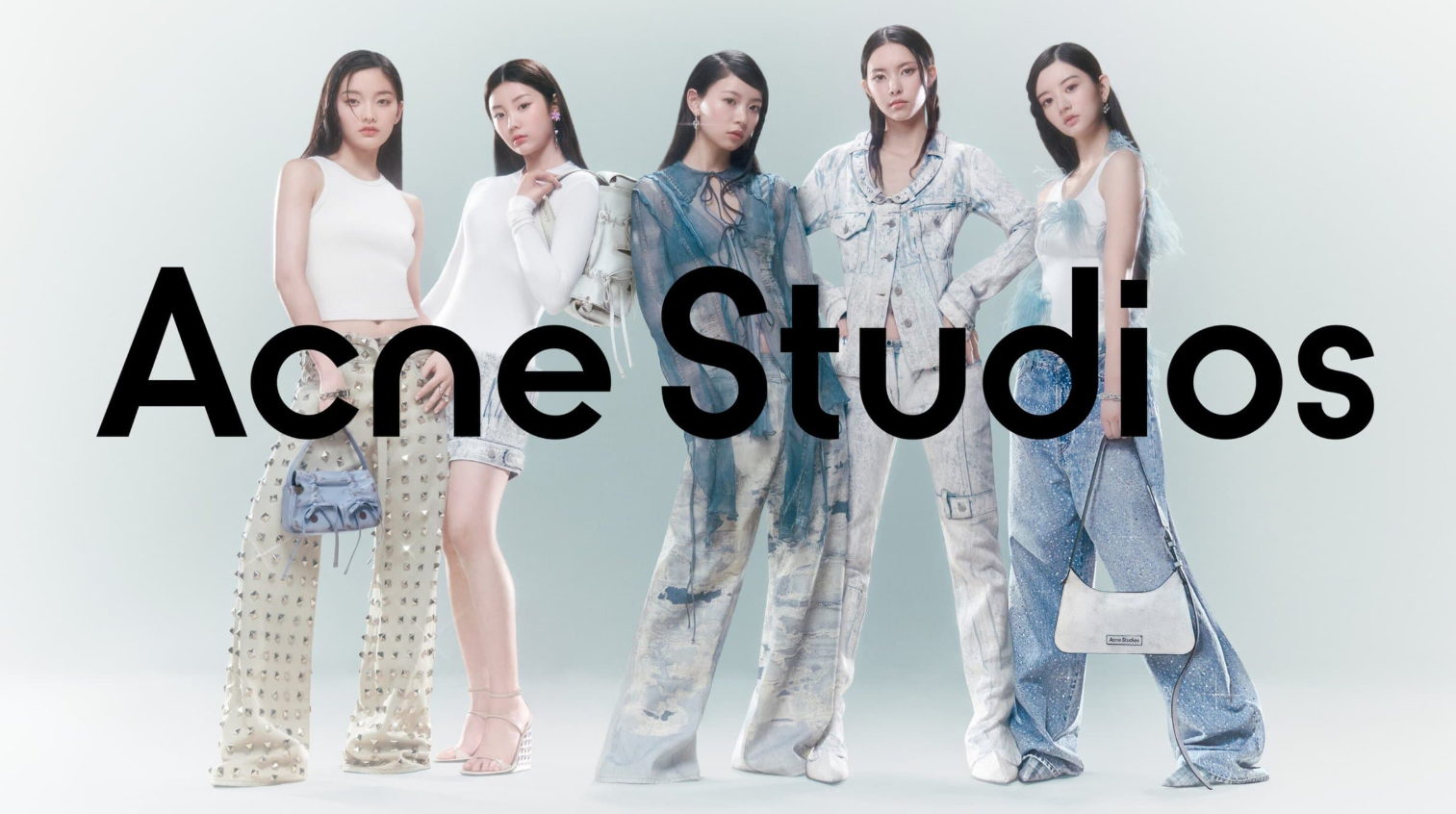
Acne Studios is one of those rare fashion brands that started as something completely different and grew into a global powerhouse without losing its original edge. Today, it sits alongside established luxury houses like Bottega Veneta and Margiela. But the brand’s roots go back to a small creative collective in Stockholm, Sweden, in the mid-1990s.
This is the full story of Acne Studios, from its unusual beginnings to the runway stages of Paris Fashion Week.
Where It All Started: Stockholm, 1996

The name “Acne” stands for Ambition to Create Novel Expressions. Jonny Johansson co-founded the brand in Stockholm in 1996, originally as part of a creative agency called Acne. The collective worked across film, graphic design, art direction, and advertising.
Fashion was not the plan. It happened almost by accident.
In 1997, Johansson produced 100 pairs of raw denim jeans with a red stitching detail. He gave most of them to friends and industry contacts as a gift. The response was immediate. People wanted more. What started as a personal project quickly turned into the foundation of a fashion label.
Those original jeans, minimalist in silhouette and distinctly Scandinavian in spirit, captured something the market had not seen before. Clean lines. Quality denim. No flashy branding. The product spoke for itself.
Building the Brand in the Early 2000s

Through the early 2000s, Acne Studios began releasing ready-to-wear collections for both men and women. The brand operated out of Stockholm and built a loyal customer base across Scandinavia before expanding to the rest of Europe.
The aesthetic stayed consistent. Johansson drew from art, youth culture, and architecture rather than conventional fashion references. Collections were cerebral without being inaccessible. Wearable without being boring.
The brand opened its first standalone store in Stockholm in 2001. The retail design was as deliberate as the clothing. White walls, open space, considered product placement. Shopping at Acne Studios felt different from shopping at a department store.
Word spread. Stockists in London, New York, and Tokyo started carrying the label. By the mid-2000s, Acne Studios had earned a reputation as one of Europe’s most interesting emerging labels.
The Jeans That Built a Legacy

Let’s be specific about the denim, because it matters to understanding the brand.
The original 1997 jeans were not just a product. They were a statement about what a fashion item could be. Raw denim, straight cut, minimal hardware, red topstitching. The jeans became a cult object in Scandinavian creative circles.
When Acne Studios scaled its denim line in the early 2000s, the brand maintained that same restraint. No embellishments, no excessive branding, no trend-chasing. The denim line grew into one of the brand’s most recognized and consistent product categories.
The jeans became a kind of shorthand for a certain type of person. Someone who cared about quality and design but did not want to advertise it loudly. That positioning helped Acne Studios attract a customer who was educated about fashion but skeptical of hype.
Paris Fashion Week and Global Recognition

Acne Studios began showing at Paris Fashion Week in 2011. The move was a turning point.
Paris gave the brand a global stage and placed it directly in conversation with the biggest names in fashion. Johansson’s collections drew consistent praise from critics and buyers. The runway presentations were often conceptual, with strong art direction that reflected the brand’s roots as a creative collective.
The Paris shows also opened doors with major international retailers. Acne Studios entered shops like Selfridges, Barneys, and Le Bon Marché. The brand’s profile grew quickly across North America, Asia, and the Middle East.
By 2013, Acne Studios had established itself as a genuine luxury label rather than just an interesting indie brand. Revenue grew steadily. The store count expanded across major cities worldwide.
The Acne Paper and Cultural Identity
Fashion brands often try to signal cultural seriousness through collaborations or campaigns. Acne Studios did something more deliberate: it published a magazine.
Acne Paper launched in 2005 as a biannual publication covering art, photography, culture, and ideas. It was not a catalogue. It did not feature the brand’s own products prominently. It was a genuine editorial project that reflected Johansson’s interests and the brand’s broader cultural ambitions.
The magazine ran until 2016 and produced 14 issues. Contributors included prominent photographers, writers, and artists. Each issue had a specific theme. The print quality and design were exceptional.
Acne Paper was not a common move for a fashion brand at the time. It signaled that Acne Studios saw itself as part of a wider cultural conversation, not just a clothing company. That positioning helped the brand build a following among people who were drawn to design, art, and ideas as much as to clothing.
Design Philosophy
You can identify an Acne Studios piece without seeing the label. That is not easy to achieve.
The brand’s design language rests on a few consistent principles. Proportion is always considered. Silhouettes are often oversized or architectural in ways that feel studied rather than accidental. Fabric choice matters more than decoration. Colors run toward muted, earthy, or deliberately unexpected combinations.
Johansson has spoken in interviews about his interest in “the ugly beautiful,” a concept where something unsettling or awkward becomes compelling through context and craft. This shows up in the collections regularly. A coat might have a slightly wrong sleeve. A shirt might sit off-balance in a way that works.
The brand is not minimalist in the strict sense. It is restrained, which is different. There is always something to look at, some considered detail. But the details do not shout.
Retail as Design
Acne Studios stores are worth talking about separately because the brand treats retail space as a design object.
Each store is different. The Stockholm flagship is one kind of experience. The New York store on Howard Street is another. The Paris store on Rue Mahler another. Interiors often incorporate local architectural references, vintage furniture, and art installations.
The brand works with artists and designers on store interiors rather than using a single global template. This approach costs more and takes longer, but it produces spaces that people want to visit and photograph. The stores have become destinations in their own right.
This philosophy extends to the brand’s approach to visual merchandising, packaging, and retail staff training. The entire customer experience is considered from end to end.
The Face Motif and Visual Branding
In 2014, Acne Studios introduced a recurring face motif into its work. A simple, somewhat childlike drawing of a face appeared on scarves, bags, and accessories. It became one of the brand’s most recognized visual signatures.
The face was playful in a way that the rest of the brand’s aesthetic was not. It gave Acne Studios a recognizable symbol without relying on a traditional logo. The motif appeared and disappeared from collections over the years, used selectively rather than saturated across every product.
Smart visual branding like this builds recognition without overexposure. Acne Studios managed the motif carefully enough that it stayed interesting rather than becoming a cliché.
Staying Independent in a Consolidating Industry
The fashion industry has seen enormous consolidation over the past two decades. LVMH, Kering, and Richemont have absorbed dozens of independent labels. Many brands that started with strong creative identities have lost some of that after acquisition.
Acne Studios has stayed independent. The brand is privately held. Johansson remains the creative director. That structure has protected the brand’s identity and allowed it to make long-term decisions rather than quarterly ones.
Independence is not without risk. Independent brands do not have the financial cushion of a large conglomerate. But for Acne Studios, staying private appears to have been the right call. The brand’s creative voice has remained consistent across three decades, which is genuinely rare.
Acne Studios Today
Today, Acne Studios operates more than 60 stores across Europe, North America, and Asia. The brand’s collections cover ready-to-wear, denim, accessories, footwear, and eyewear. It shows twice yearly at Paris Fashion Week.
The label has collaborated with artists including Blondey McCoy and filmmaker Harmony Korine, and has dressed musicians, artists, and figures across culture who align with its aesthetic.
The original denim that started everything is still in production. The jeans have been updated over the years but retain the same restrained character as the 1997 original. For longtime customers, that continuity means something.
Why the Acne Studios Story Matters
Most fashion brands start with a clear commercial aim. Acne Studios started as a creative gift. That origin shaped everything that followed.
The brand built its reputation on restraint, quality, and cultural seriousness rather than on marketing spend or celebrity placement. It earned its place in the luxury conversation by doing the work rather than buying the perception.
For anyone interested in fashion, design, or brand building, the Acne Studios story is worth knowing. It is proof that a label can grow from an underground creative collective in Stockholm into one of the world’s most respected fashion houses without losing what made it interesting in the first place.
That is a harder thing to do than it sounds. Acne Studios has done it.
Frequently Asked Questions About Acne Studios
What does Acne Studios stand for?
Acne is an acronym for Ambition to Create Novel Expressions. The brand was founded in Stockholm, Sweden, in 1996 as part of a broader creative collective working across film, advertising, and design.
Who founded Acne Studios?
Jonny Johansson co-founded Acne Studios. He remains the creative director of the brand today. The fashion label grew out of a creative agency he helped build in Stockholm in the mid-1990s.
Why did Acne Studios start making clothes?
It was not a planned move. In 1997, Johansson produced 100 pairs of raw denim jeans as a personal project and gave them away as gifts to friends and contacts. Demand for the jeans led directly to the launch of a fashion line.
Is Acne Studios a luxury brand?
Yes. Acne Studios sits in the contemporary luxury segment. Its price points, retail presence, and positioning alongside houses like Margiela and Bottega Veneta place it firmly in the luxury category, though it does not carry the heritage or conglomerate backing of older luxury brands.
Is Acne Studios owned by LVMH or Kering?
No. Acne Studios is privately held and has stayed independent. The brand has not been acquired by LVMH, Kering, Richemont, or any other large fashion group. Johansson retains creative control.
Where is Acne Studios made?
Acne Studios produces its collections across several manufacturing regions depending on the product category. Denim, knitwear, and outerwear are produced in various European facilities. The brand does not publish a single country of origin for all products.
When did Acne Studios start showing at Paris Fashion Week?
Acne Studios began showing at Paris Fashion Week in 2011. The move significantly raised the brand’s international profile and helped it secure placement in major global retailers.
What is the Acne Studios face motif?
The face motif is a simple, hand-drawn style illustration of a face that Acne Studios introduced around 2014. It appeared on scarves, bags, and accessories and became one of the brand’s most recognized visual signatures. The motif has been used selectively across collections rather than applied to every product.
What was Acne Paper?
Acne Paper was a biannual print magazine published by Acne Studios between 2005 and 2016. It covered art, photography, culture, and ideas. The publication ran for 14 issues and was recognized as a genuine editorial project rather than a brand marketing tool.
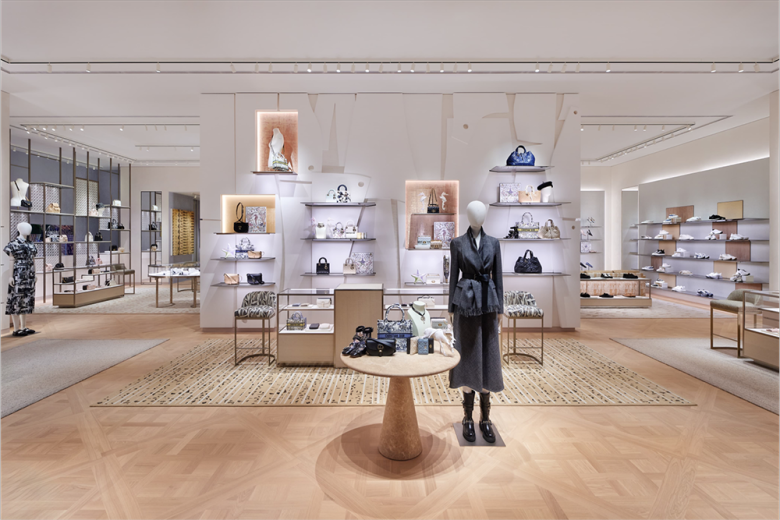
When people search for what Dior actually looks like in real life, they expect something dramatic and eye-catching. The reality feels more subtle and grounded. The name Dior often brings to mind glossy ads, perfect lighting, and runway looks that seem out of reach. In person, Dior feels calmer, more refined, and easier to wear than what you usually see online. Here is why that difference stands out.
First Impressions Inside a Dior Store
The first thing you notice in a Christian Dior boutique is the atmosphere. The space feels quiet and controlled. Lighting stays soft and even, which helps every item stand out without distraction. Displays feel spaced out, not crowded, so your attention goes straight to the pieces.
Clothing does not try too hard to grab attention. It sits neatly, often in neutral shades like black, cream, navy, and soft pastels. Some seasonal items bring bold colors or prints, but the overall feel stays balanced. This feels very different from social media images that often rely on heavy contrast and strong visual effects.
Craftsmanship You Notice Up Close
Here is why Dior stands out in real life. The quality becomes clear the moment you look closely.
Stitching appears even and tight. Seams lie flat and clean. Buttons feel secure rather than decorative. Zippers move smoothly without catching. These small details shape how Dior looks and feels in person.
Fabrics also play a big role. Wool coats feel dense yet smooth. Silk pieces carry weight and flow naturally. Leather items feel soft while holding their structure. This focus on detail connects back to Christian Dior, who built the brand around precision and silhouette.
How Dior Clothing Fits on Real People

Fit changes how Christian Dior looks outside of runway settings. Many pieces follow tailored lines that shape the body in a clean way.
Jackets often define the waist without feeling too tight. Dresses skim the body instead of clinging. Pants sit neatly at the hips and fall straight or slightly tapered. In daily life, this creates a polished look rather than a dramatic one.
Sizing can run slightly small, especially in structured pieces. Many people choose to size up for comfort. Casual items like t-shirts feel relaxed, while tailored designs focus more on shape than softness.
What Dior Bags Look Like in Real Life

Dior bags often look perfect online, but seeing them in person can shift your expectations.
The Lady Christian Dior bag keeps its iconic structure. It holds its boxy shape well, and the leather feels soft yet firm. The stitching pattern looks precise and consistent. The size may feel smaller than expected, and the weight can feel noticeable because of the structure.
The Dior Saddle Bag offers a more relaxed feel. Its curved shape sits comfortably under the arm. In real life, it often looks more casual than in styled photos, which makes it easier to pair with everyday outfits.
Dior Shoes in Everyday Wear

Dior shoes reveal a different side when you see them up close. Sneakers feel sturdy and well-built, often with thicker soles that provide support. They still carry a polished look, even with casual outfits.
Heels vary depending on the design. Some focus more on appearance, while others feel stable enough for events or short outings. Leather quality stands out across styles, with smooth finishes and clean edges. Some designs may feel narrow, so trying them on helps with fit.
Dior Beauty in Real Life
Christian Dior is not only about clothing and bags. Beauty products also show how the brand translates into everyday use.
The line under Dior Beauty feels more accessible. Lipsticks apply smoothly and often carry a light scent. Foundations aim for a natural finish rather than heavy coverage. Packaging looks sleek but still practical.
Fragrance plays a big role as well. A scent like Miss Dior perfume develops over time. It starts with lighter notes and settles into deeper tones. This layered effect becomes more noticeable in real life than in online descriptions.
Social Media vs Real-Life Dior
Social media often shows Christian Dior as bold and dramatic. Real life tells a different story.
Photos tend to exaggerate shine, color, and contrast. In person, Dior feels more balanced and controlled. Many pieces look less dramatic but more wearable. A blazer can fit into a work wardrobe. A handbag can pair easily with casual outfits.
This difference often surprises first-time buyers. Instead of strong visual impact, they notice quiet detail and refined design.
The In-Store Experience
Shopping in a Dior boutique adds another layer to the real-life experience. Staff usually take a calm and attentive approach. You get space to look around while still receiving help when needed.
Trying on items often changes your opinion. A jacket may look simple on display but feel structured and flattering when worn. A bag may seem small until you test what it can hold. The store layout supports this experience with clean lines and neutral tones.
Is Dior Worth It in Real Life?
Price often comes up when people see Dior in person. The cost reflects materials, construction, and design history.
If you focus on craftsmanship and fabric quality, Dior can feel worth the price. If you expect bold visuals alone, it may feel more subtle than expected. The brand does not rely heavily on loud logos in many designs. Its appeal comes from details that become clear up close.
Dior in Everyday Outfits
Dior fits into daily life more easily than many expect. People often style pieces in simple ways. A Dior shirt with jeans. A structured bag with a casual outfit. Sneakers with relaxed clothing.
These combinations make the brand feel approachable. The result is a refined look that does not feel forced.
Common Misconceptions About Dior
Many people form opinions about Dior based on online images. Real life often corrects those ideas.
Some expect every piece to look flashy, but most designs stay understated. Others think Dior items feel delicate, yet many pieces feel durable. Some assume the brand only suits certain body types, but the range of cuts allows more flexibility than expected.
FAQs About What Dior Looks Like in Real Life
Does Dior look as luxurious in person as online?
Yes, but in a quieter way. The luxury shows through materials and construction rather than bold visuals.
Are Dior bags heavy in real life?
Some are. Structured designs like the Lady Dior can feel heavier, while softer styles feel lighter.
Is Dior clothing comfortable?
It depends on the piece. Casual items feel easy to wear, while tailored designs focus more on structure.
Do Dior products look better in person?
Many do. Details like stitching, fabric texture, and finish become clearer up close.
Is Dior good for everyday use?
Yes, many items work well in daily outfits, especially simpler designs and neutral colors.
Final Thoughts
Dior in real life feels more grounded than its online image suggests. It still reflects luxury, but through detail, structure, and balance rather than dramatic presentation. You notice how pieces are made, how they fit, and how they work in everyday settings. This often changes how people see the brand. Instead of feeling distant, Dior starts to feel refined, practical, and designed for real life.
-

 Fashion Trends1 month ago
2026 Fashion Trends | 6 Styles Set to Dominate This Year
-

 Fashion Trends1 month ago
What’s Dominating Fashion in Streetwear Trends 2026
-

 Fashion Brands4 weeks ago
Story Behind the Iconic Red Bottom Luxury Brand Christian Louboutin
-

 Style Guides3 weeks ago
How to Style Chrome Hearts Clothing Like a Pro
-

 Fashion Brands1 month ago
The Complete Guide to the Iconic Luxury Brand Louis Vuitton
-

 Style Guides4 weeks ago
How to Style BAPE Hoodies, Shirts, and Sneakers in 2026
-

 Fashion Brands1 week ago
Who Made Versace Famous? The Real Story Behind the Brand
-

 Fashion Brands2 weeks ago
What Christian Dior Actually Looks Like in Real Life